What are Edible Gardens?
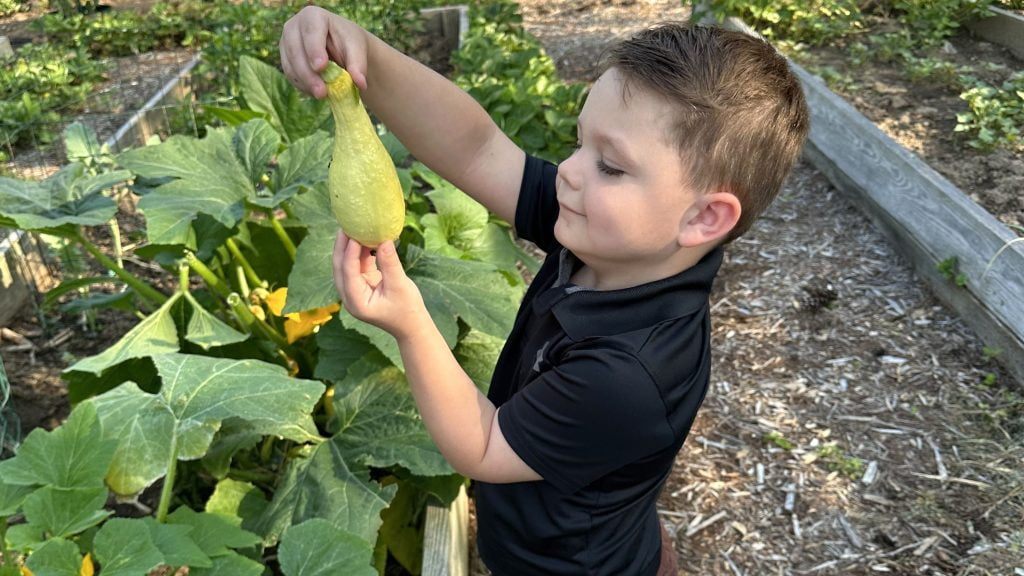
Growing Minds defines edible gardening as intentional spaces where students learn about and engage in growing food they can eat. Edible gardens can be container gardens, pots growing in windows, raised beds, greenhouses, fruit trees, herb gardens, school farms to name a few.
Why Edible Gardens?
Edible Gardens provide children with sensory learning opportunities that promote curiosity about food, their culture, and the environment. Edible Gardens can be tools to teach a variety of subjects, as well as promote social emotional learning and cultural awareness.
Resources for Edible Gardens:
Garden Management Resources:
- Planting Guide
- ITL Curriculum Planning Chart
- Garden plot planning
- Container gardening
- Planting for a fall garden
- Starting a garden
- Step by Step Guide to Starting a School Garden
- Starting and Maintaining a School Garden
Tips for Gardening with Students:
- Plant List
- Sensory Gardens
- Strategies for Gardening with Children
- Gardening Schedule Example
- Building Positive Experiences with Healthy Food
Lesson Plans:
Great lesson plans make any new classroom project a cinch! Over the years, Growing Minds has developed farm to school activities that incorporate state and national curriculum. All Growing Minds lesson plans have connections to the Common Core State Standards, NC Essential Standards, and age-appropriate literature.
- Prompt for finding lesson plans: Find a lesson plan by typing key words such as your grade level, subject area, season, a specific fruit or vegetable, etc. in the search at the top of the webpage.
- Lesson Plans by Age Group: To view a complete list of our lesson plans, visit our Lesson Plans webpage.
Children’s Literature:
Search this ever-growing database to find our recommendations, which are perfect for teaching about gardening, cooking, farms, food, and nature. Use our list to find children’s literature, cookbooks, and curriculum for the classroom, school library, or home. To view a complete list of our book collection, visit our Children’s Literature webpage.
- Looking for books on a specific topic? Type one or more keywords (like “apples”, “insects”, or “farms”) into the search bar to filter your search, or click on a particular tag to explore thematic books and resources. Use the “diversity” tag to explore books featuring multicultural characters and/or authors.
- Lending Library: Educators in the region are welcome to borrow any of the books featured in our database through the lending library at ASAP’s office. Children’s literature, cookbooks, and curriculum can all be checked out. Contact us to be sure the books you’re looking for are available.
Growing Minds Toolkits with Garden Resources:
- Growing Minds Farm to Preschool Toolkit: This resource contains all of our preschool lesson plans, This Week in the Garden Preschool weekly activity guides, and Farm to School Goes Home weekly newsletter for families.
- I Tried Local: A Toolkit for Engaging Kids with Local Food and Farms: “I Tried Local…” is designed for use in ECE through second grade classrooms. The curriculum is divided into 10 units based on foods grown in North Carolina: blueberries, broccoli, carrots, green beans, mushrooms, peppers, radishes, sugar snap peas, sweet corn, and watermelons.
Equity in the Garden:
Children begin to develop racial awareness and bias at a very young age. In an effort to create learning environments that are more diverse, inclusive, and reflective of our culturally diverse society, farm to school programs should follow equity-minded best practices. Visit our Equity, Inclusion and Anti-Bias resources page to view our full equity statement, find children’s books (including farm to school literature) that celebrate diverse voices, and access recommended external resources that can be used by both teachers and parents to teach children about race, diversity, and inclusion.
Additional Resources:
- Spring BINGO card and Fall BINGO card – Use these bingo cards to keep track of your students/kids’ spring and fall farm to school activities. Kids should check five consecutive boxes in a row, column, or diagonal to win (bonus points for checking all of the boxes!). Most importantly, have fun!
- Day by Day – Growing Minds Day by Day is a year-long series of seasonal educational resources designed for families and teachers. Weekly resource lists feature a theme related to food, gardening, or nature. Each resource list includes thematic recommendations for children’s literature, local food recipes, lesson plans, activities, and online resources curated by the Growing Minds team.